
01
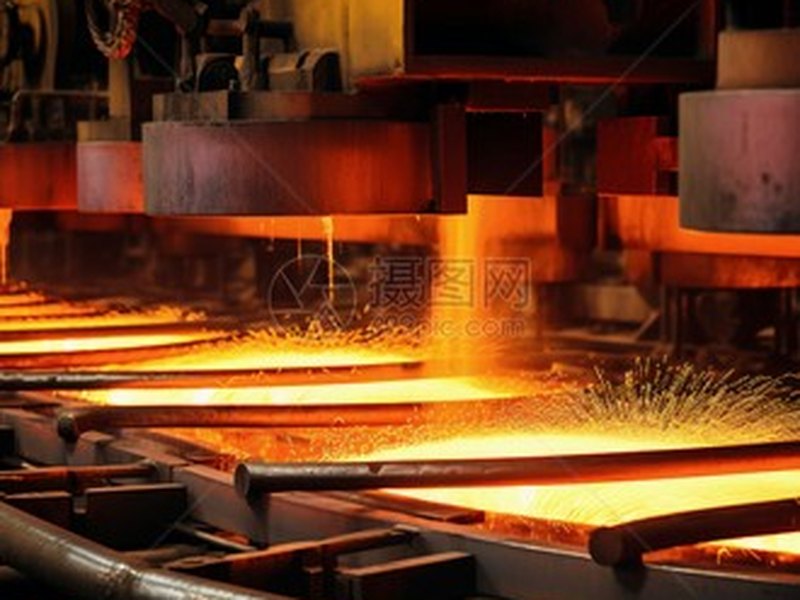
Electric arc furnace steel
Graphite electrodes and recarburising coke for EAF and ladle furnaces, sized to the furnace and the charge.
GPC · CPC · Graphite electrode
Lunxing Tech supplies graphite petroleum coke, calcined petroleum coke and graphite electrodes to steel mills, aluminium smelters and carbon plants — every shipment quoted against a written specification.
One supplier, three stages of carbon
Raw petroleum coke is calcined, graphitised and machined into electrodes that carry current at 3,000 °C. We trade across that entire chain, which means you can specify by application instead of by product name — and hold one supplier accountable for the result.
Every shipment is quoted against a written specification: fixed carbon, sulphur, ash, volatile matter, size distribution and packing. Deviations are reported before loading, not after arrival.
Send your specificationProduct lines
Each line is supplied to a written specification, with size distribution and packing agreed before the order is confirmed.
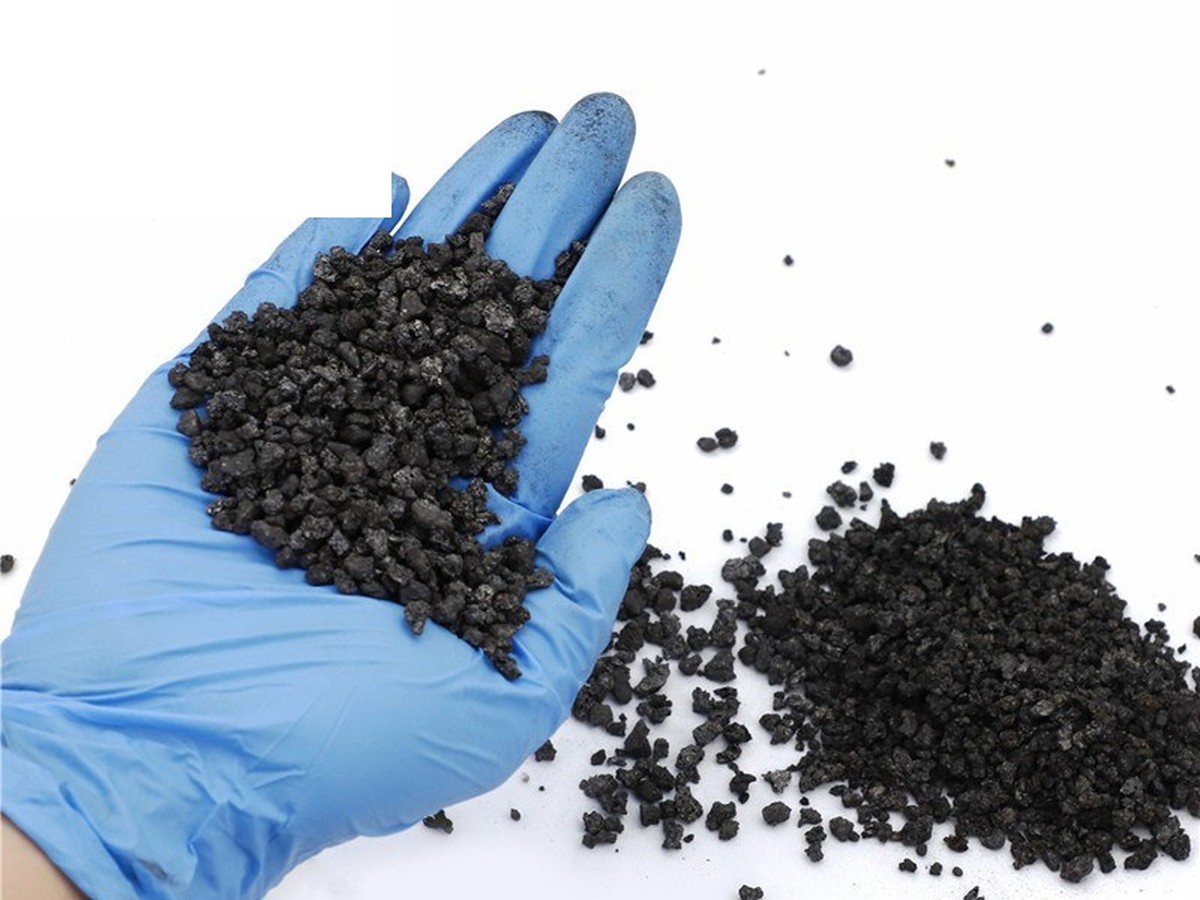
High-purity graphitised coke for electrode bodies, anodes and battery-grade carbon — low sulphur, low ash, stable particle structure.
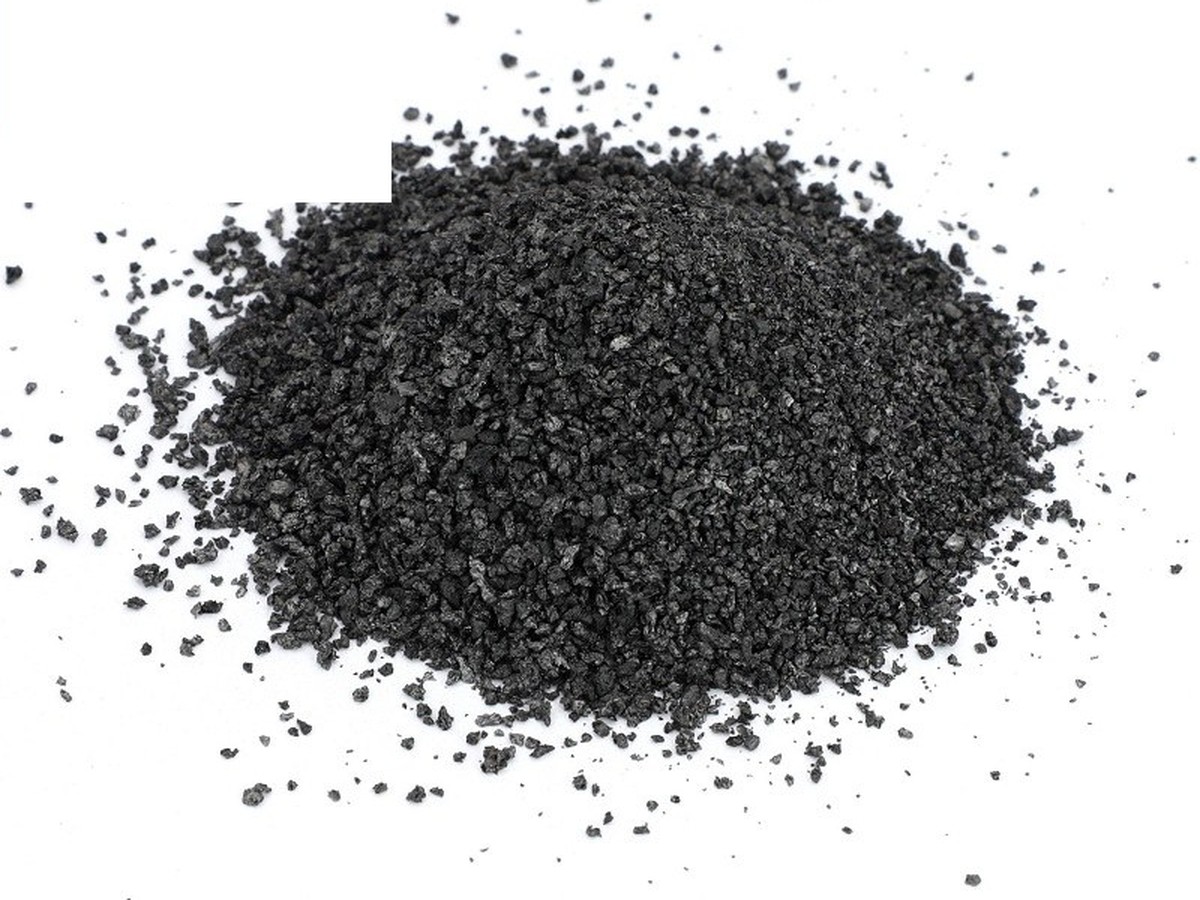
Rotary-kiln calcined coke for aluminium anodes, electrode production and recarburisation — controlled real density and low volatile matter.
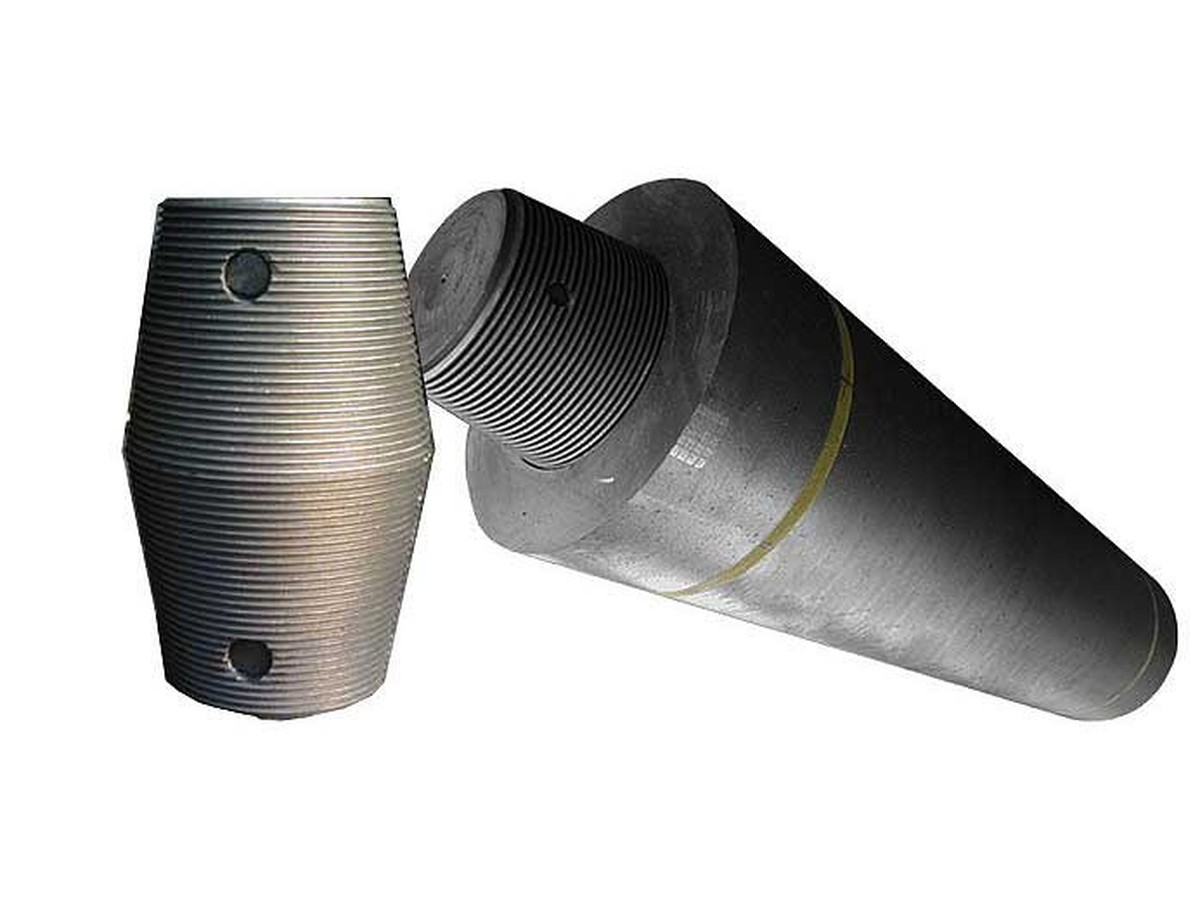
Machined electrodes with matched nipples for electric arc and ladle furnaces, supplied in RP, HP and UHP grades up to Ø700 mm.
Specifications
Typical values for standard export grades. Tighter limits, alternative sizes and customer-specific specifications are quoted on request.
| Parameter | GPC | CPC | Graphite electrode |
|---|---|---|---|
| Fixed carbon | ≥ 99.0 % | ≥ 98.5 % | — |
| Sulphur | ≤ 0.05 % | ≤ 0.5 – 1.0 % | ≤ 0.05 % |
| Ash | ≤ 0.5 % | ≤ 0.5 % | ≤ 0.2 % |
| Volatile matter | ≤ 0.5 % | ≤ 0.8 % | — |
| Real density | ≥ 2.05 g/cm³ | ≥ 2.06 g/cm³ | 1.68 – 1.73 g/cm³ |
| Resistivity | — | — | 5.2 – 6.5 µΩ·m |
| Size / diameter | 0–2 · 2–5 · 5–10 mm | 0–5 · 5–25 mm | Ø150 – 700 mm |
| Packing | 25 kg / 1000 kg | 25 kg / 1000 kg | Bundled, end-capped |
| Typical use | Electrode body, anode, carbon raiser | Anode, electrode, recarburiser | EAF, LF, submerged arc furnace |
Values are typical for standard export grades and are confirmed per contract.
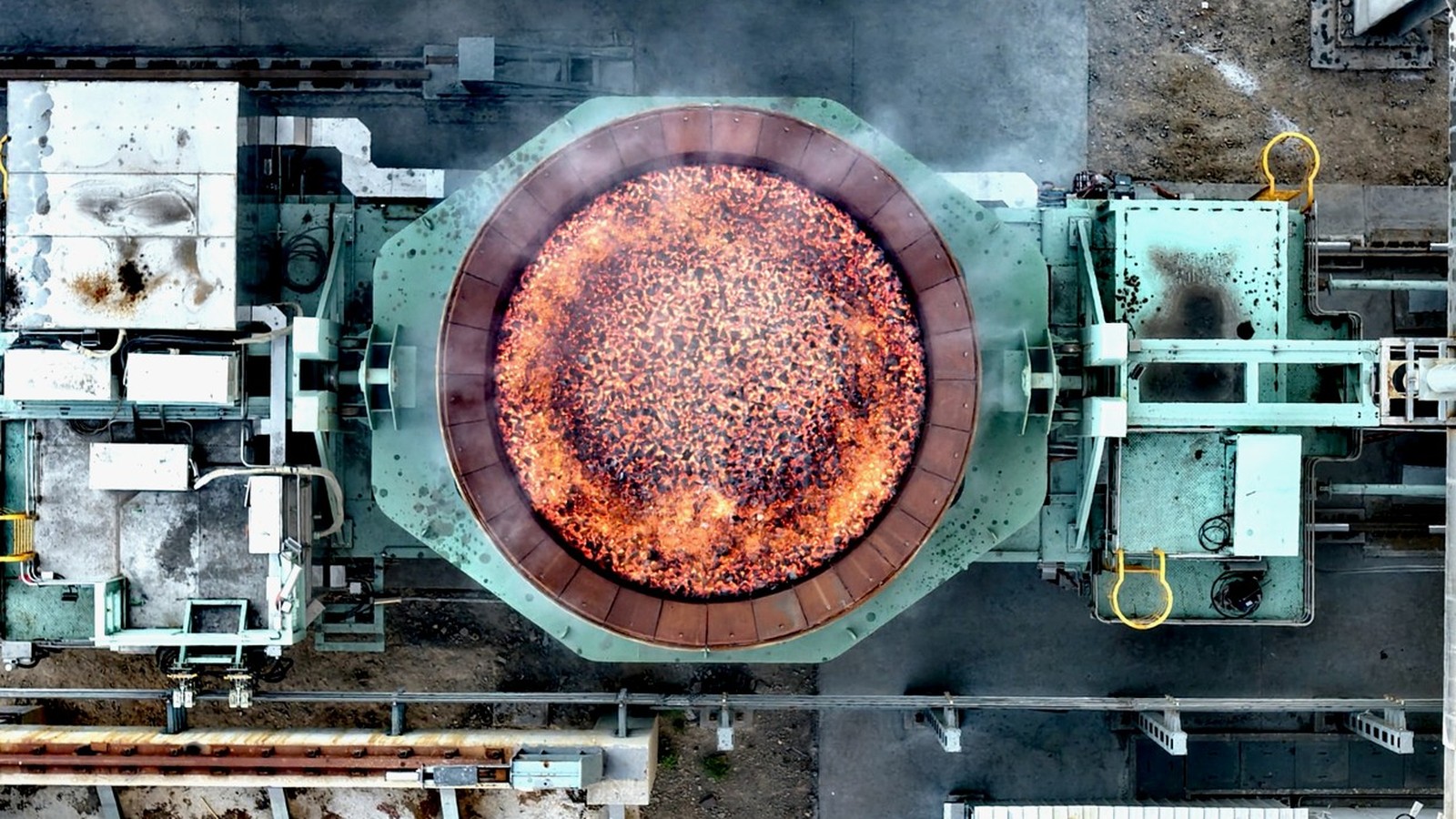
Quality is decided at the kiln
Real density, volatile matter and sulphur are set by the kiln, not by the sales office. We buy from producers we can audit, and we report the assay before the container is sealed.
Applications
Different furnaces punish different properties. Tell us the process and we will point you to the grade that survives it.
Graphite electrodes and recarburising coke for EAF and ladle furnaces, sized to the furnace and the charge.
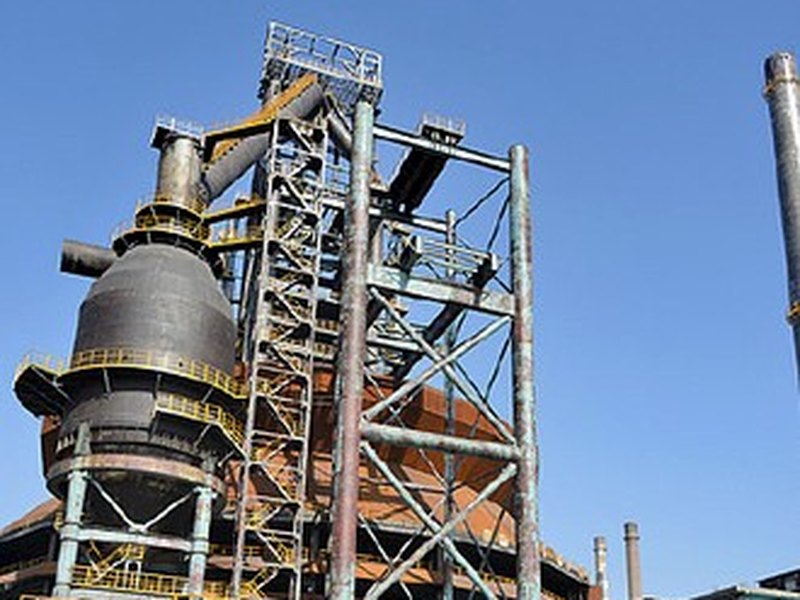
Anode-grade calcined coke with controlled sulphur and real density for prebaked anode production.
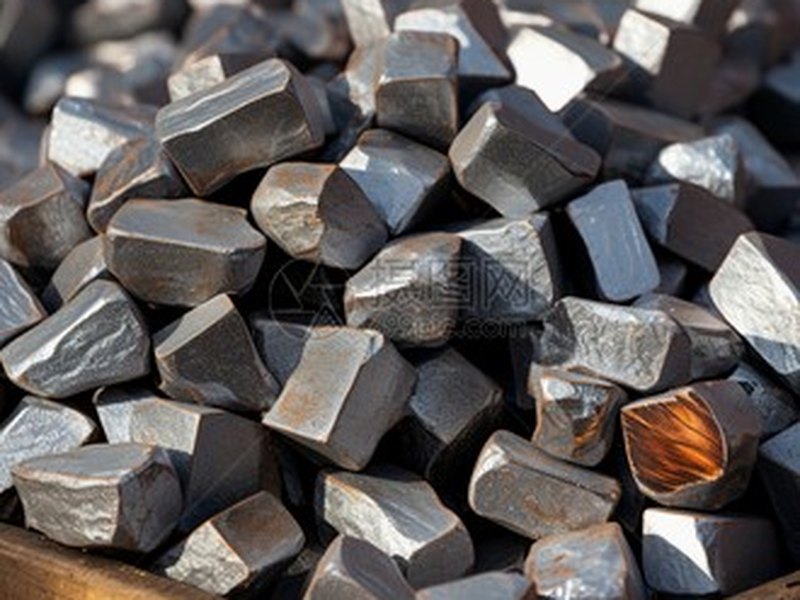
Graphitised and calcined coke feedstock for electrode bodies, nipples and impregnation grades.
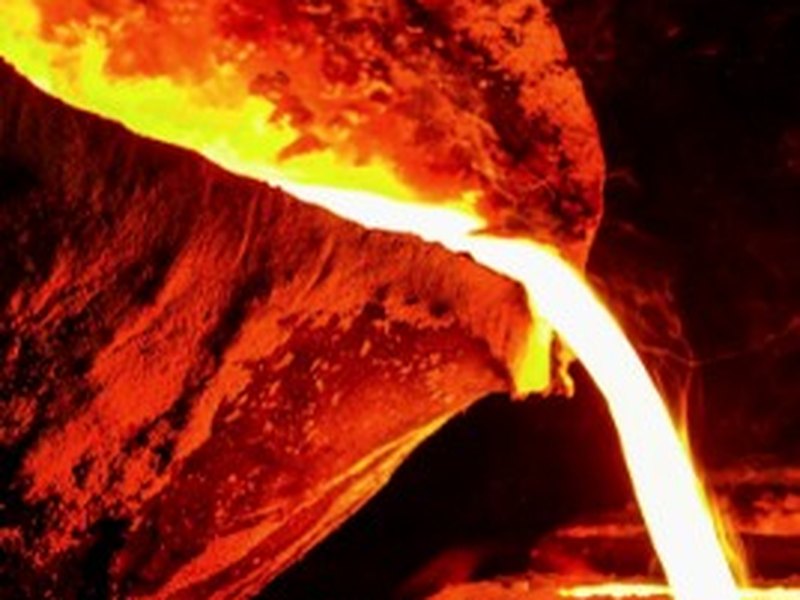
Recarburisers with consistent dissolution behaviour for ductile and grey iron melting.
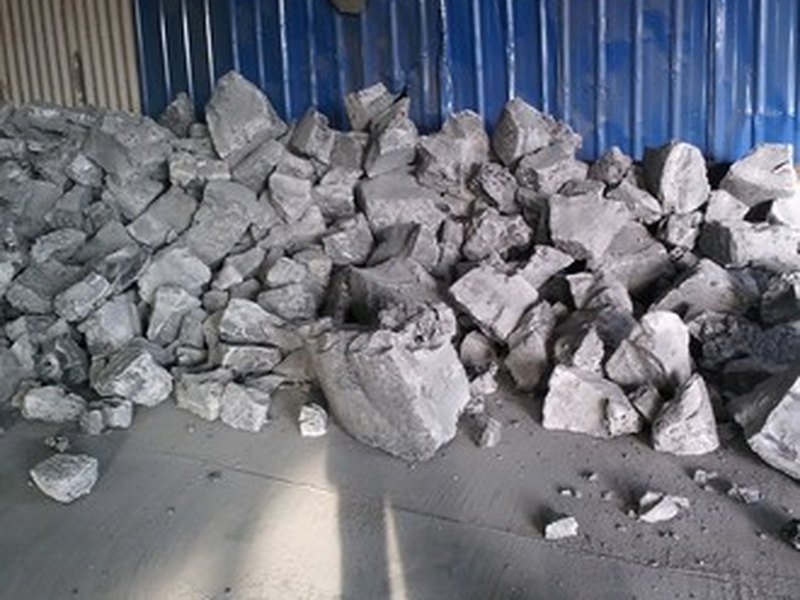
Reductant coke with stable fixed carbon and low ash for submerged arc furnaces.
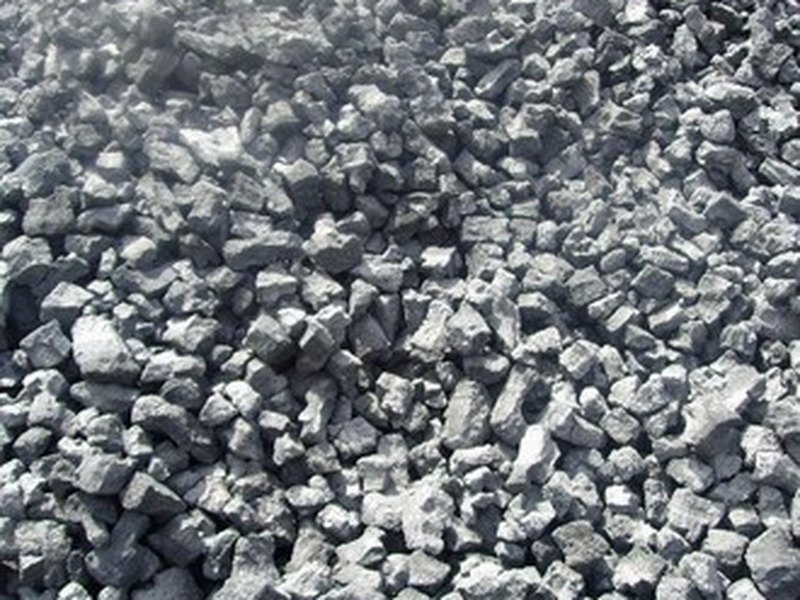
Low-sulphur, low-ash graphitised coke for further milling and purification.
Questions
Straight answers to the questions that decide whether a shipment works. If yours is not here, ask and we will answer in writing.
Both are made from the same raw petroleum coke, but they are treated to different ends. Calcined petroleum coke (CPC) is heated in a rotary kiln to drive off volatile matter; it is the standard feedstock for aluminium anodes, electrode production and recarburisation. Graphite petroleum coke (GPC) is taken a step further into the temperature range so that it becomes more graphitic, giving a higher fixed-carbon figure and lower ash — the grade used for electrode bodies and battery-grade carbon.
It follows the furnace and the operating practice: RP for routine steelmaking, HP for longer campaigns and higher current density, and UHP for the most demanding electric arc furnace duty. We supply Ø150–700 mm with matched nipples, and we would rather quote against your furnace parameters than against a product name — send the diameter, current and service conditions and we will recommend the grade.
A written specification agreed before the order is confirmed: fixed carbon, sulphur, ash, volatile matter, real density, size distribution and packing. The figures on this site are typical values for standard export grades. Tighter limits, alternative sizes and customer-specific specifications are quoted on request and confirmed per contract.
Mainly FOB Tianjin and FOB Qingdao, with CIF available to nominated ports worldwide. We also quote on a delivered basis to most major destinations. Tell us the destination port and the terms you need, and we will price the shipment on that basis.
A certificate of origin, the packing list and the assay or test report for the lot. Third-party inspection before loading is available on request. Deviations against the agreed specification are reported before the container is sealed, not after it has arrived.
Yes. Samples can be dispatched alongside the quotation so you can run your own assay or furnace trial before committing to a volume. We would recommend this for any new grade or a first-time specification.
The film
Ten seconds, no narration: raw coke coming off the belt, a stockpile being worked, coke leaving the kiln hot, and the calcined product at the end of it.
Raw petroleum coke on a conveyor belt, moving from the stockyard into the plant.
A loader working the coke stockpile beneath the stacker and conveyor gantry.
Calcined coke leaving the kiln hot and dropping into the receiving bunker.
Glowing coke falling from the bucket against the bunker wall.
Molten metal poured from a ladle at the casting floor.
The finished calcined coke in the bin, after heat treatment.
Supply process
Five steps, each with a document attached. You always know what stage the order is at.
Product, grade, size, tonnage, destination port.
Written spec and price, sample dispatch on request.
Calcining, graphitising, machining and sizing.
Assay report, third-party inspection where required.
Packing, loading, CO and documents within 24 h of sailing.
Company
Lunxing Tech works with carbon producers in northern China and ships to smelters and carbon plants worldwide. Our job is narrow and specific: match a furnace to a grade, then make sure what arrives is what was quoted.
We are a trading company, not a plant. That is a feature rather than a limitation — it means we are not tied to one producer's run schedule, and we will tell you when a different plant is the better source for what you actually need.
How we work
Most rejections happen for the same three reasons. Each one is settled before loading, not argued about after the container arrives.
Before a price is meaningful, the specification has to be written down: fixed carbon, sulphur, ash, real density, size and packing. Every quotation we send carries those numbers, so there is nothing to interpret later.
Samples are taken and tested before the container is sealed. If a figure falls outside what was agreed, you are told before the cargo sails — which is the only point at which changing anything is still possible.
Certificate of origin, packing list and test report are issued with the shipment. Third-party inspection by SGS, BV or an equivalent agency is arranged on request.
Request a quote
Tell us the product, the tonnage and the port. We reply with a written specification and a price — usually within one working day.