
01
Electric arc furnaces
The primary application. Diameter and grade are matched to the furnace transformer and the steel grade being produced.
Product line 03
A graphite electrode carries the current that melts the steel. It is consumed by oxidation at the tip, so its job is to conduct cleanly while resisting the thermal shock of the arc. Grade choice, diameter and length have to match the furnace — an electrode that is too small for the transformer rating will overload the network, and one that is too large wastes capacity.
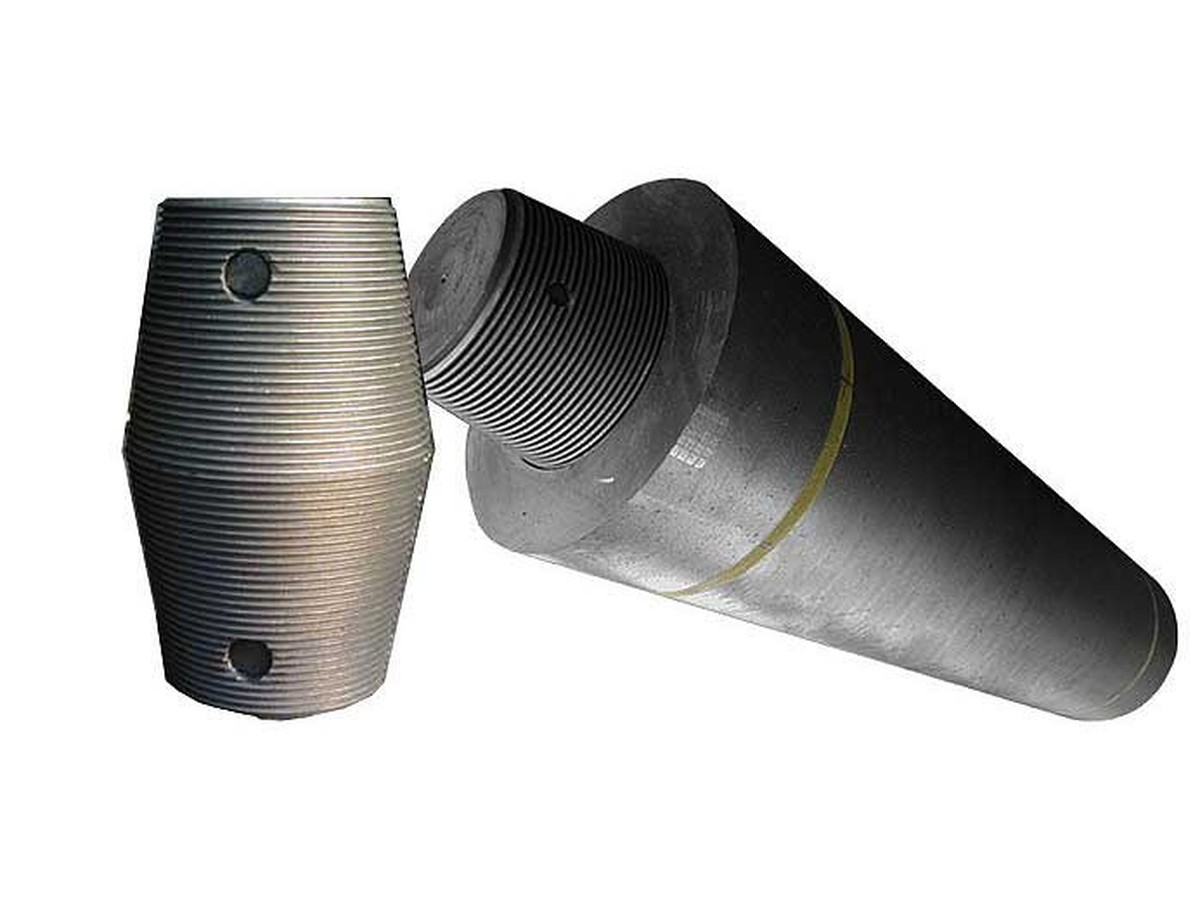
Product
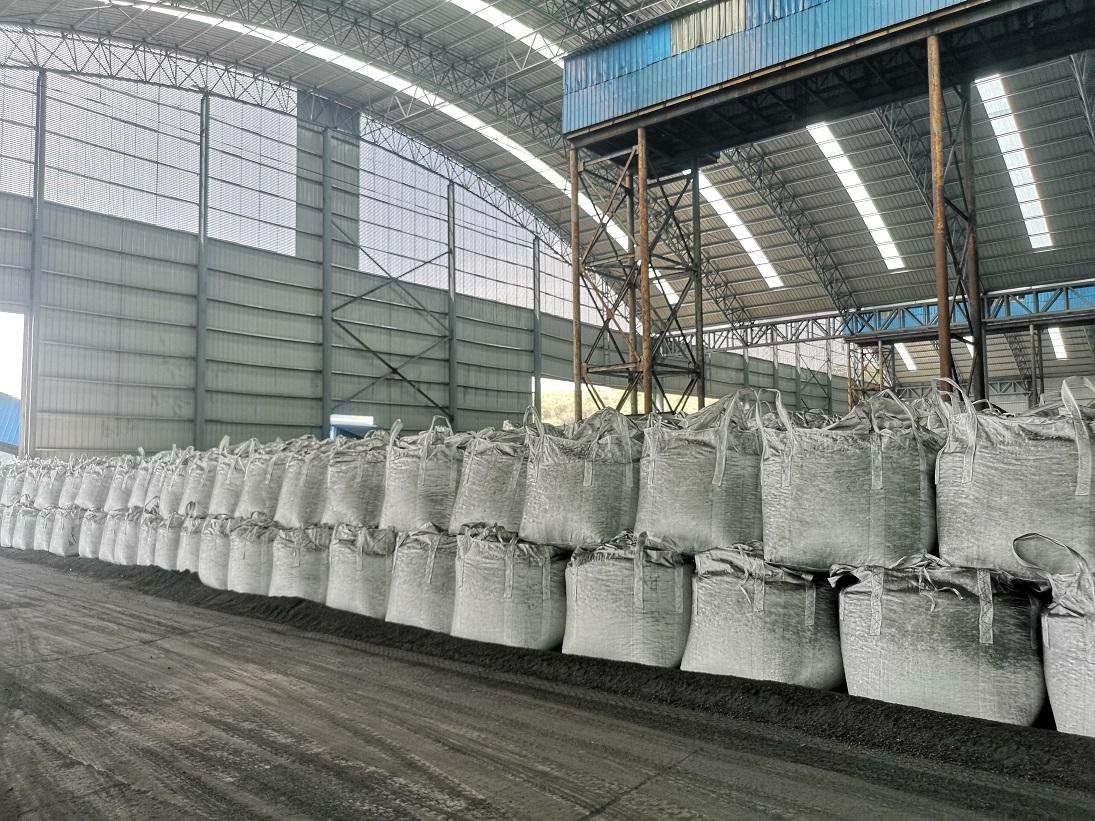
Photographs of the material as it is packed and shipped. Sample the actual lot before you commit to a contract.

Specification
Typical values for standard export grades. Tighter limits and customer-specific specifications are quoted on request.
| Parameter | Graphite Electrode |
|---|---|
| Diameter | Ø150 · 200 · 250 · 300 · 350 · 400 · 450 · 500 · 550 · 600 · 700 mm |
| Length | 600 – 1200 mm, cut to order |
| Resistivity | 5.2 – 6.5 µΩ·m depending on grade |
| Ash | ≤ 0.2 % |
| Volatile matter | ≤ 0.5 % |
| Apparent density | 1.68 – 1.73 g/cm³ |
| Transverse strength | 24 – 40 MPa |
| Bending strength | 24 – 38 MPa |
| Grades | RP · HP · UHP |
| Nipples | Matched taper, machined to fit |
| Packing | Bundled, end-capped, wooden crate on request |
Values are typical for standard export grades and are confirmed per contract. Electrodes are supplied in matched sets with a fitted nipple for every length shipped.
Ordering
The six points that decide whether the material works in your process. Anything unclear, ask before you order.
RP for routine melting, HP for a harder duty cycle, UHP for the highest current density. If you are not sure, tell us the furnace and we will specify the grade.
Match the furnace and the transformer rating. Undersizing forces the network to run beyond its limit; oversizing wastes capacity.
Longer electrodes reduce the number of connections per heat, which reduces joint losses and electrode consumption.
Ship in matched sets so no two electrodes in a set differ. A mismatched set causes uneven wear and premature failure.
Confirm the taper standard so the nipple mates with your existing holder and clamping equipment.
Grade, batch and dimension report issued with the shipment, with third-party inspection on request.
Applications
If your process is not listed, tell us the furnace and the duty and we will say whether this grade fits.
The primary application. Diameter and grade are matched to the furnace transformer and the steel grade being produced.
Smaller diameters, often UHP, for temperature uniformity and inclusion control during secondary refining.
Ferroalloy, calcium carbide and similar reductant duties, where ash control is critical.
Square and round electrodes for cupola and induction melting.
Questions
Answers here are the short version. If your question is not on this list, ask and we will answer directly.
It follows the furnace's current density and duty cycle. RP (regular power) suits routine melting. HP (high power) suits a harder cycle and higher current density. UHP (ultra high power) suits the highest-density duty. If you tell us the furnace type, diameter and steel grade, we will specify the grade rather than leave it to you.
A nipple is machined to a specific taper so the joint carries current evenly. If the tapers do not match, the connection runs hot, arcs at the joint and the electrode can break in service. We supply every length with a fitted, matched nipple.
Diameter Ø150 mm to Ø700 mm, length 600–1200 mm cut to order. Most standard furnace sizes are held; unusual dimensions are quoted on request.
Three things: correct grade for the duty, ash kept at 0.2 % or below, and matched sets. Most field failures trace back to one of those three rather than to the electrode itself.
Other lines
We trade across all three stages, so you can hold one supplier accountable from coke through to finished electrode.
Graphite petroleum coke (GPC) supplied to a written specification, with particle size and packing fixed before production.
View specification → 02Calcined petroleum coke (CPC) supplied to a written specification, with real density, volatile matter and particle size fixed before production.
View specification →Request a quote
Tell us the grade, the tonnage and the port. We reply with a written specification and a price — usually within one working day.