
01
Graphite electrode bodies
The main demand. GPC is crushed and mixed with binder and filler, then isostatically pressed and graphitised again.
Product line 01
Graphite petroleum coke is the high-purity form of coke, heat-treated at temperatures above 2,500 °C so that the carbon structure becomes graphite-like rather than merely deflagre. That is what separates it from calcined coke: lower sulphur, near-zero volatile matter, and a particle structure that survives the graphitisation step without breaking down.
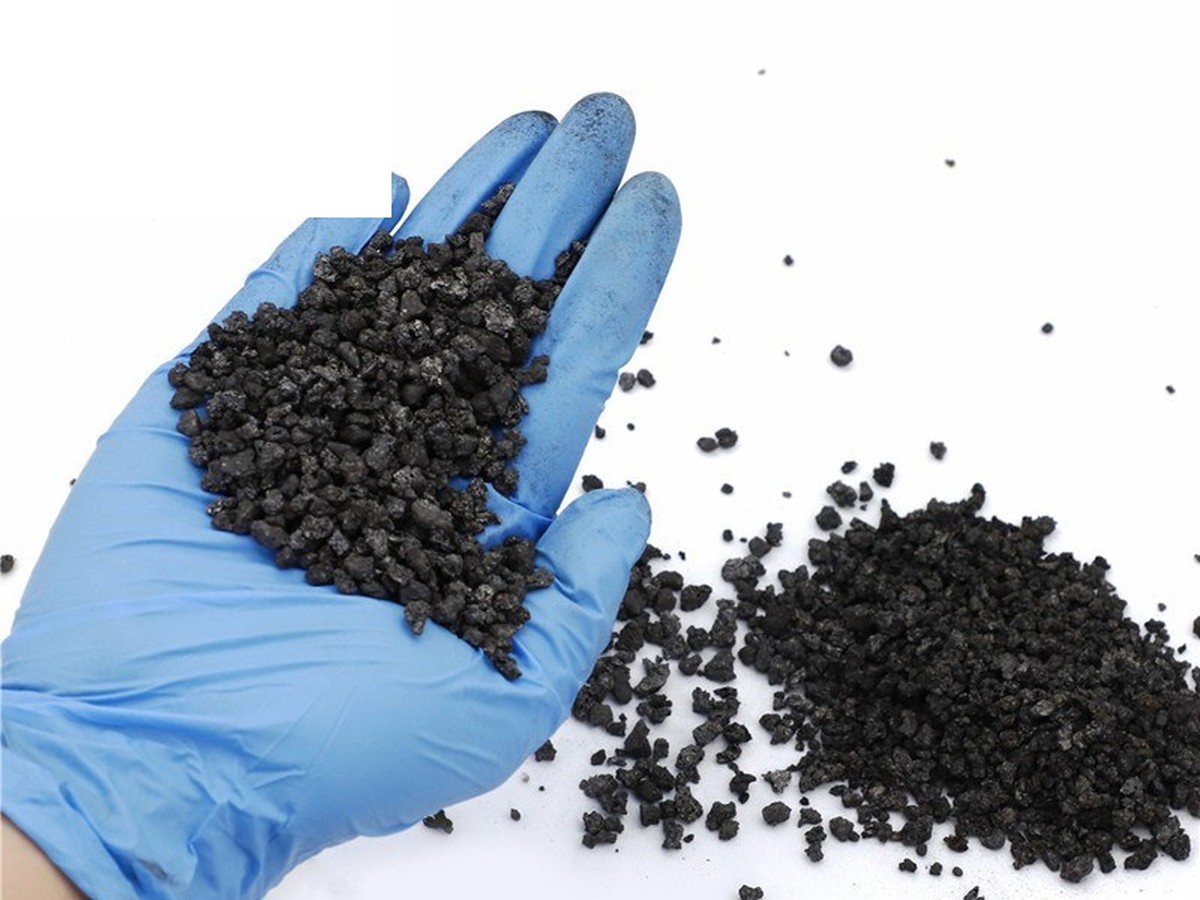
Product
Photographs of the material as it is packed and shipped. Sample the actual lot before you commit to a contract.
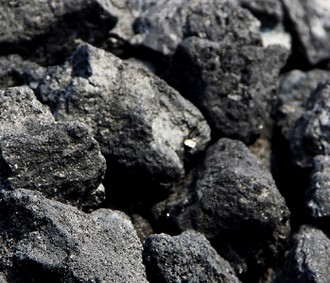
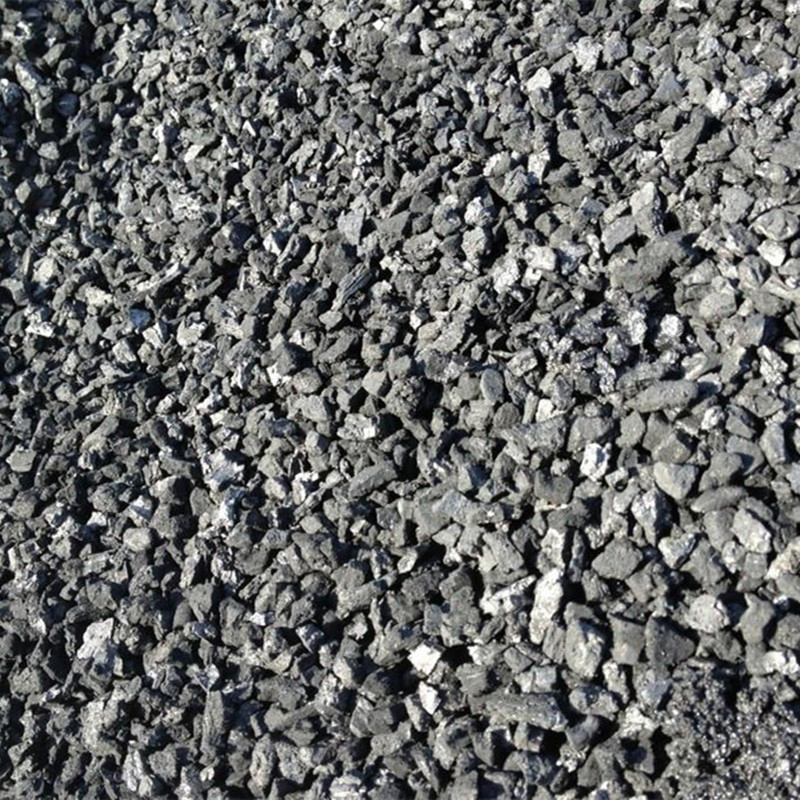
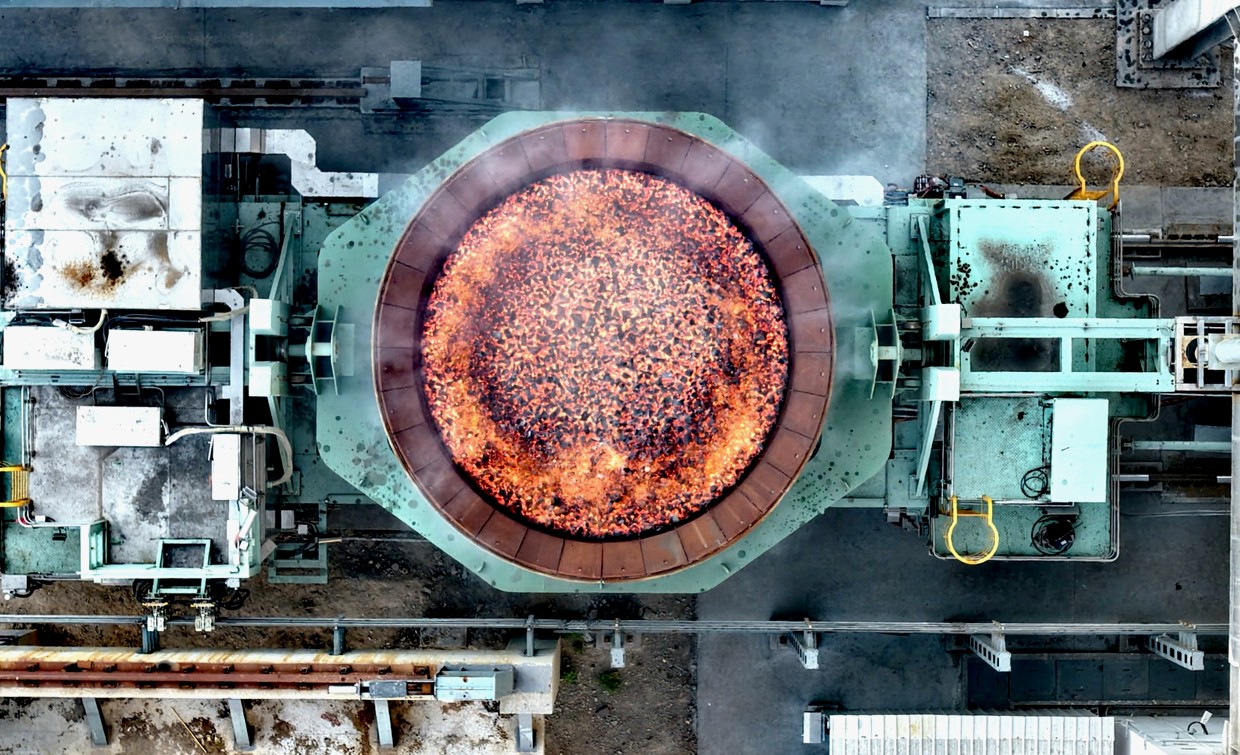
Specification
Typical values for standard export grades. Tighter limits and customer-specific specifications are quoted on request.
| Parameter | Graphite Petroleum Coke |
|---|---|
| Fixed carbon | ≥ 99.0 % |
| Sulphur | ≤ 0.05 % |
| Ash | ≤ 0.5 % |
| Volatile matter | ≤ 0.5 % |
| Real density | ≥ 2.05 g/cm³ |
| Moisture | ≤ 0.5 % |
| Particle size | 0–2 mm · 2–5 mm · 5–10 mm |
| Bulk density | ≥ 0.85 g/cm³ |
| Packing | 25 kg bags · 500–1000 kg jumbo bags |
| Loading port | Tianjin · Qingdao |
| Standard use | Electrode body, anode, battery-grade carbon |
Values are typical for standard export grades and are confirmed per contract. Tighter sulphur and ash limits are quoted on request.
Ordering
The six points that decide whether the material works in your process. Anything unclear, ask before you order.
State the minimum fixed carbon. Below 99 % the coke is usually unsuitable for electrode bodies, though it can still serve anode or recarburising duties.
The tightest and most important limit. Sulphur above 0.05 % drives expansion and electrode breakage during graphitisation.
A proxy for how far graphitisation actually went. Low density means under-baked coke that will shrink and crack in the furnace.
Particle size has to match the forming pressure of the electrode or anode plant. We size to your press, not to a standard fraction.
Bag, jumbo bag or bulk liner. Packing is fixed before production so the loading plan does not change at the warehouse.
Ask for the assay report before loading. Deviations are reported before the container is sealed, not after arrival.
Applications
If your process is not listed, tell us the furnace and the duty and we will say whether this grade fits.
The main demand. GPC is crushed and mixed with binder and filler, then isostatically pressed and graphitised again.
As anode-grade feed, where low sulphur keeps the smelter's fluorine emissions and anode consumption down.
After further milling and purification, for lithium-ion anode feedstock.
Where very low ash and sulphur are wanted in the charge rather than only carbon.
Questions
Answers here are the short version. If your question is not on this list, ask and we will answer directly.
GPC is heated above 2,500 °C so the structure becomes graphite-like, giving fixed carbon ≥ 99.0 % and sulphur ≤ 0.05 %. Calcined coke (CPC) stops at about 1,200–1,300 °C, giving fixed carbon ≥ 98.5 % and sulphur up to 0.5–1.0 %. Use GPC when sulphur is the limiting constraint; use CPC when carbon content is enough and cost matters.
Yes. Particle size is agreed before production and we supply the fractions your forming process needs, including mixed grades where the recipe calls for them.
One 20-foot container. For evaluation orders we can arrange a sample before the bulk quantity is committed.
Certificate of origin, packing list and an assay report issued before loading. Third-party inspection (SGS, BV or equivalent) is arranged on request at the buyer's cost.
Other lines
We trade across all three stages, so you can hold one supplier accountable from coke through to finished electrode.
Calcined petroleum coke (CPC) supplied to a written specification, with real density, volatile matter and particle size fixed before production.
View specification → 03Machined graphite electrodes in RP, HP and UHP grades, Ø150–700 mm, supplied in matched sets with fitted nipples.
View specification →Request a quote
Tell us the grade, the tonnage and the port. We reply with a written specification and a price — usually within one working day.