
01
Aluminium anodes
The largest single use. Sulphur and real density control smelter emissions and anode consumption.
Product line 02
Calcined petroleum coke is the workhorse of the carbon chain. Green coke is fired in a rotary kiln at 1,200–1,300 °C, driving off the remaining volatile matter and leaving a dense, stable carbon. Almost every other product in this chain starts here — including the electrode bodies made from GPC.
Product
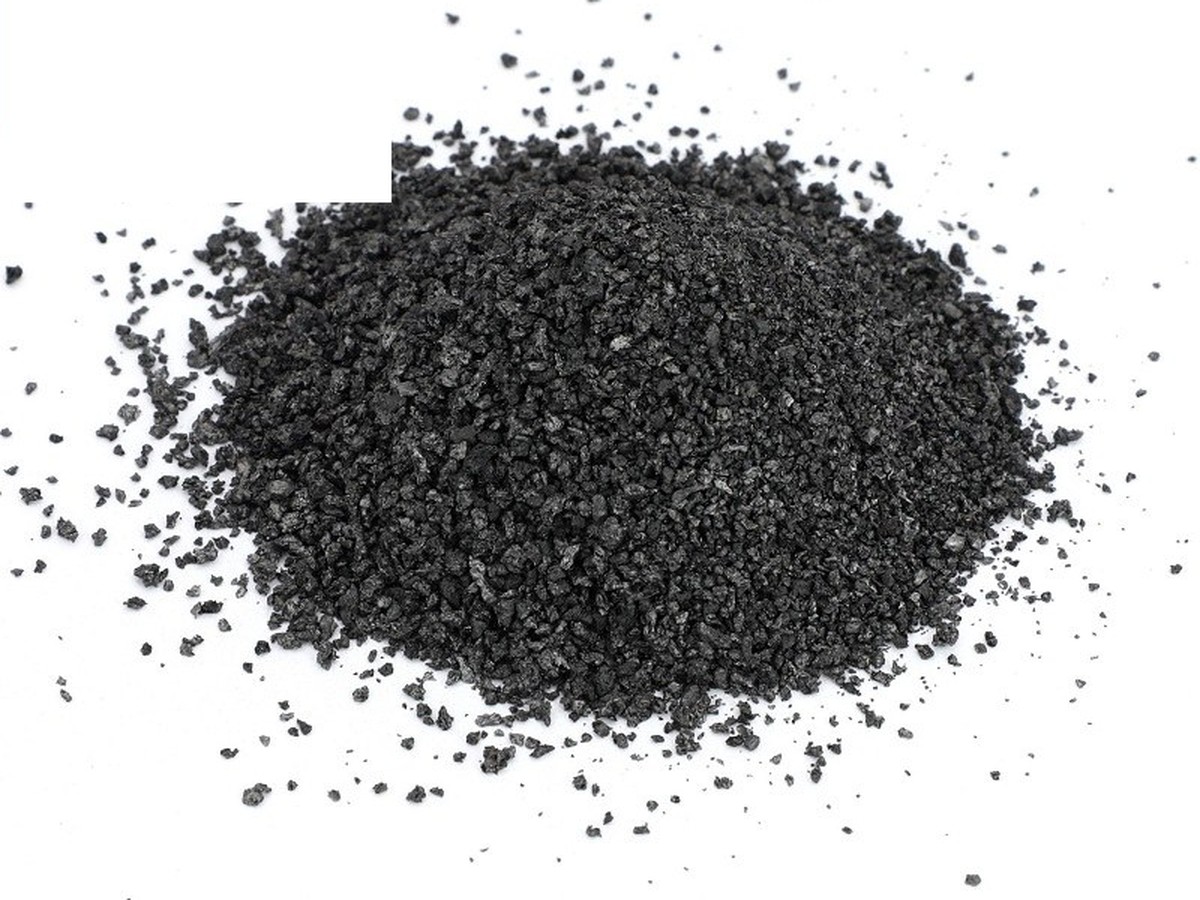
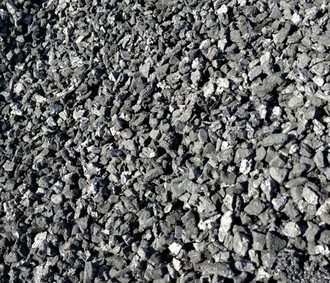
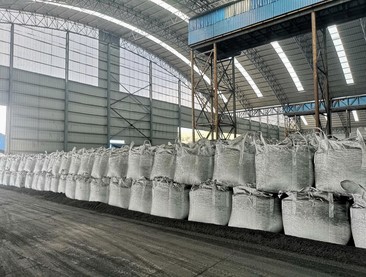
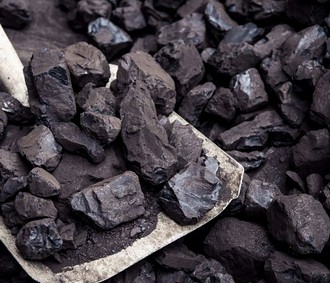
Photographs of the material as it is packed and shipped. Sample the actual lot before you commit to a contract.
Specification
Typical values for standard export grades. Tighter limits and customer-specific specifications are quoted on request.
| Parameter | Calcined Petroleum Coke |
|---|---|
| Fixed carbon | ≥ 98.5 % |
| Sulphur | ≤ 0.5 – 1.0 % |
| Ash | ≤ 0.5 % |
| Volatile matter | ≤ 0.8 % |
| Real density | ≥ 2.06 g/cm³ |
| Moisture | ≤ 0.5 % |
| Particle size | 0–5 mm · 5–25 mm · 25–50 mm |
| Bulk density | ≥ 0.80 g/cm³ |
| Packing | 25 kg bags · 500–1000 kg jumbo bags |
| Loading port | Tianjin · Qingdao |
| Standard use | Anode, electrode production, recarburiser |
Values are typical for standard export grades and are confirmed per contract. Anode-grade and graphitisation-grade material are quoted separately.
Ordering
The six points that decide whether the material works in your process. Anything unclear, ask before you order.
Tell us whether this is anode grade, graphitisation feed or recarburiser grade. The three accept different sulphur and density limits.
Fixed carbon ≥ 98.5 % covers most industrial use. Specify higher only when the process genuinely requires it.
Set by the kiln, and the fastest way to judge whether a supplier actually controls calcination. Low density means under-fired coke.
Must stay low or the coke will smoke and fume at the anode plant and foul handling equipment.
Crusher feed, anode-grade or sized fractions. We grade to your kiln and your press.
Request the assay before loading. We report the real figures, not the grade label.
Applications
If your process is not listed, tell us the furnace and the duty and we will say whether this grade fits.
The largest single use. Sulphur and real density control smelter emissions and anode consumption.
Both as the graphitisation feed and as the aggregate and filler fraction mixed into the electrode body.
Steel and foundry melts, where predictable dissolution matters more than absolute carbon purity.
Submerged arc furnaces need a reductant with stable carbon and low ash.
Questions
Answers here are the short version. If your question is not on this list, ask and we will answer directly.
Anode grade, with sulphur controlled as tightly as the smelter's emission limit allows — typically 0.5 % or lower — and real density ≥ 2.06 g/cm³. Real density is what tells you whether the kiln actually fired the material to completion.
Yes, and it is usually better than raw coke for the job: it is denser, has lower volatile matter and dissolves more predictably into the melt. Specify particle size to match your furnace practice.
Yes. We supply both graphitisation feed and the sized aggregate and filler fractions used in the electrode body mix. Tell us the recipe fractions and we will size to them.
Samples are available for evaluation orders so you can run your own assay and furnace trials before committing the bulk quantity.
Other lines
We trade across all three stages, so you can hold one supplier accountable from coke through to finished electrode.
Graphite petroleum coke (GPC) supplied to a written specification, with particle size and packing fixed before production.
View specification → 03Machined graphite electrodes in RP, HP and UHP grades, Ø150–700 mm, supplied in matched sets with fitted nipples.
View specification →Request a quote
Tell us the grade, the tonnage and the port. We reply with a written specification and a price — usually within one working day.