
01
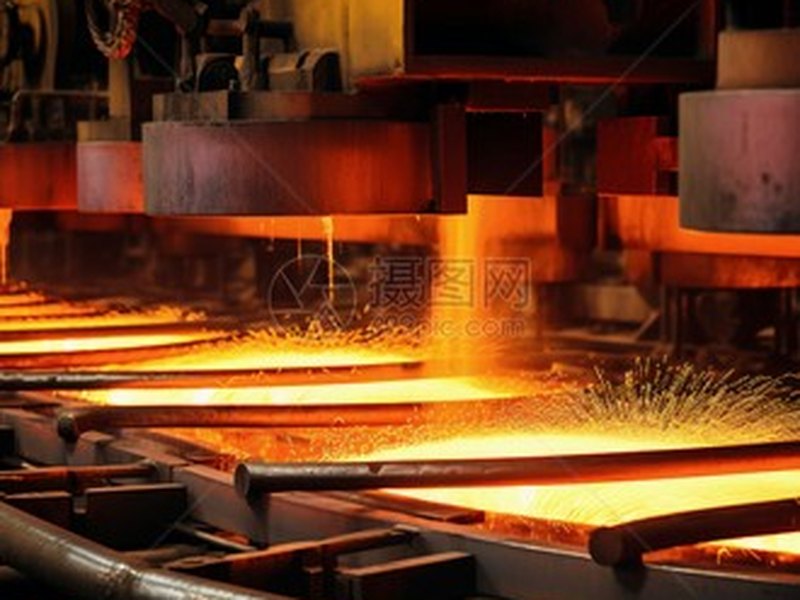
Electric arc furnace steel
Graphite electrodes and recarburising coke for EAF and ladle furnaces, sized to the furnace and the charge.
GPC · CPC · Graphite electrode
Lunxing Tech supplies graphite petroleum coke, calcined petroleum coke and graphite electrodes to steel mills, aluminium smelters and carbon plants — every stage of production run to a written specification, every shipment quoted against it.
One supplier, three stages of carbon
Raw petroleum coke is calcined, graphitised and machined into electrodes that carry current at 3,000 °C. We work across that entire chain — from feedstock selection to the sized, assayed cargo — so you can specify by application instead of by product name, and hold one supplier accountable for the result.
Every shipment is quoted against a written specification: fixed carbon, sulphur, ash, volatile matter, size distribution and packing. Deviations are reported before loading, not after arrival.
Send your specificationProduct lines
Each line is supplied to a written specification, with size distribution and packing agreed before the order is confirmed.
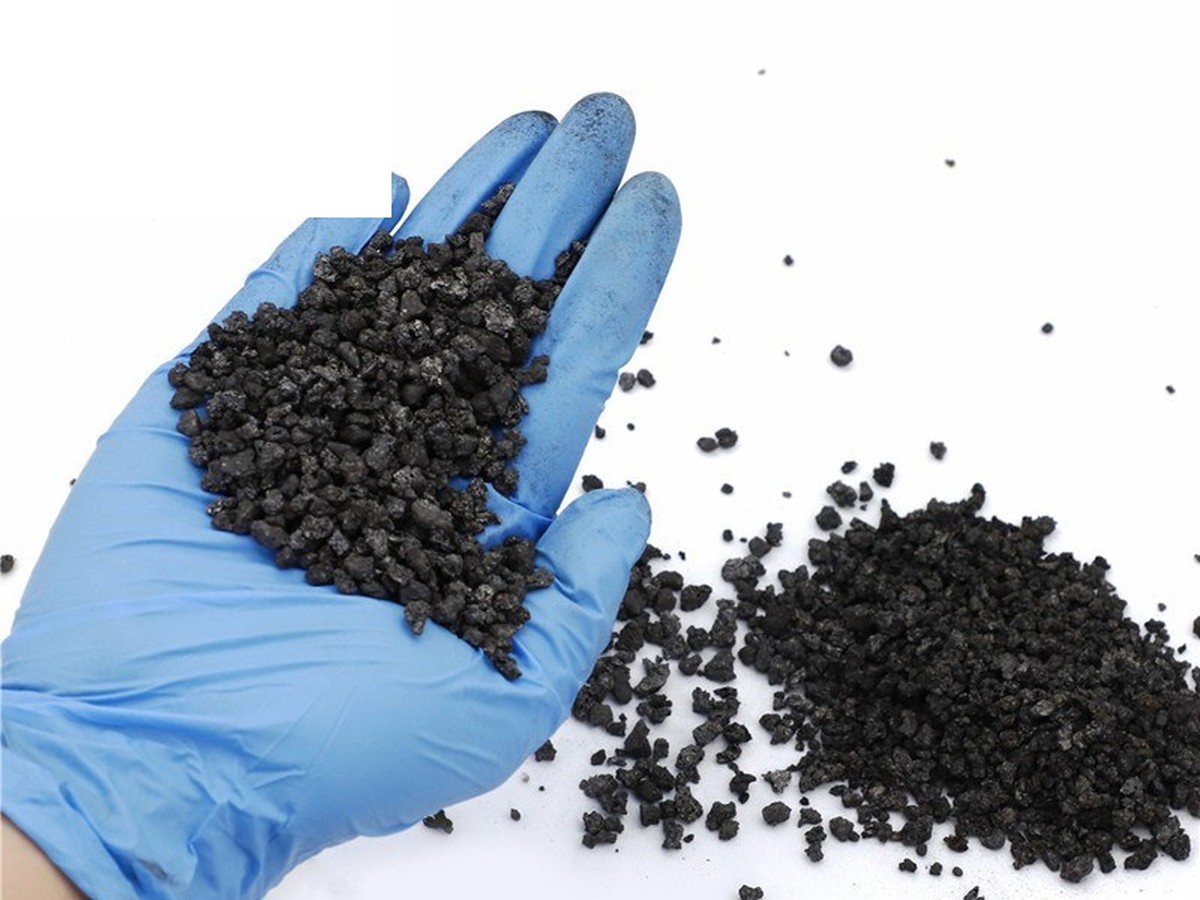
High-purity graphitised coke for electrode bodies, anodes and battery-grade carbon — low sulphur, low ash, stable particle structure.
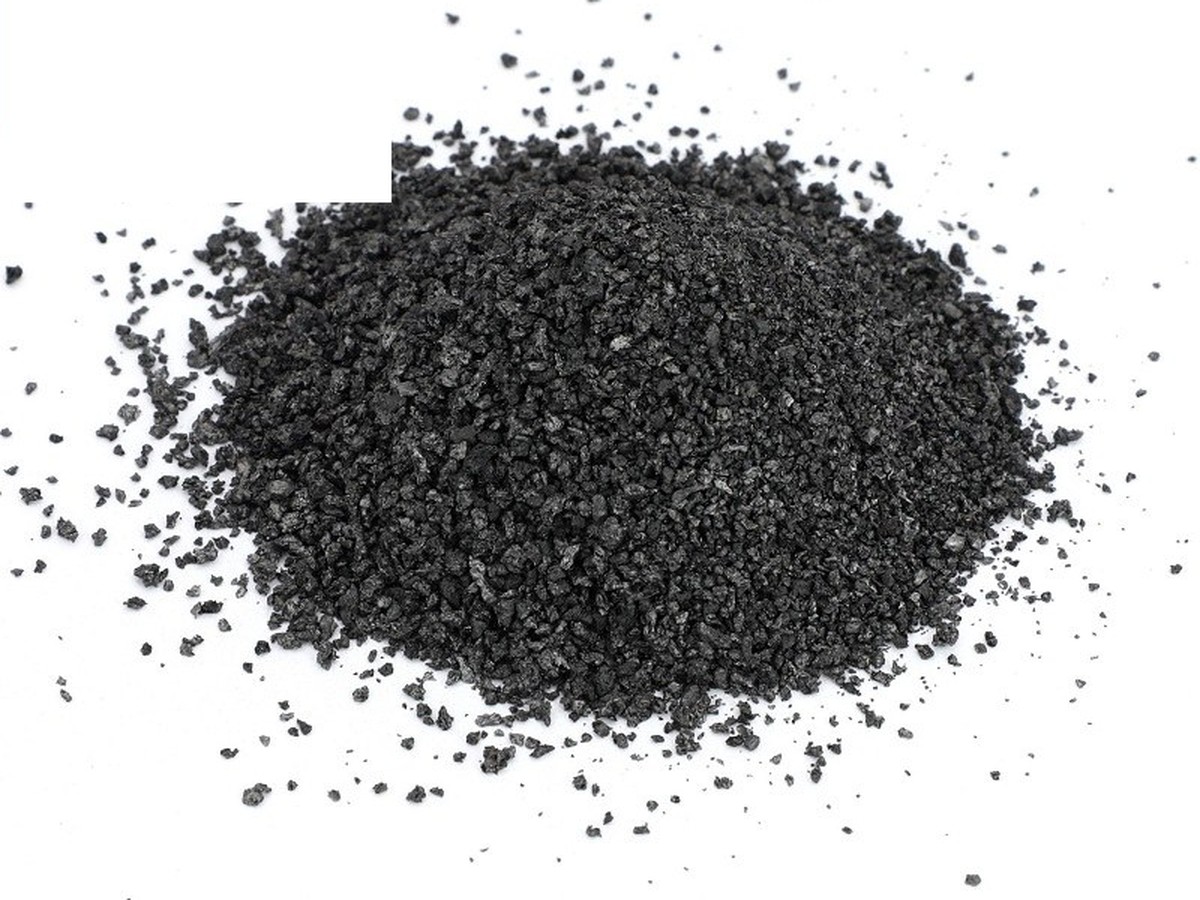
Rotary-kiln calcined coke for aluminium anodes, electrode production and recarburisation — controlled real density and low volatile matter.
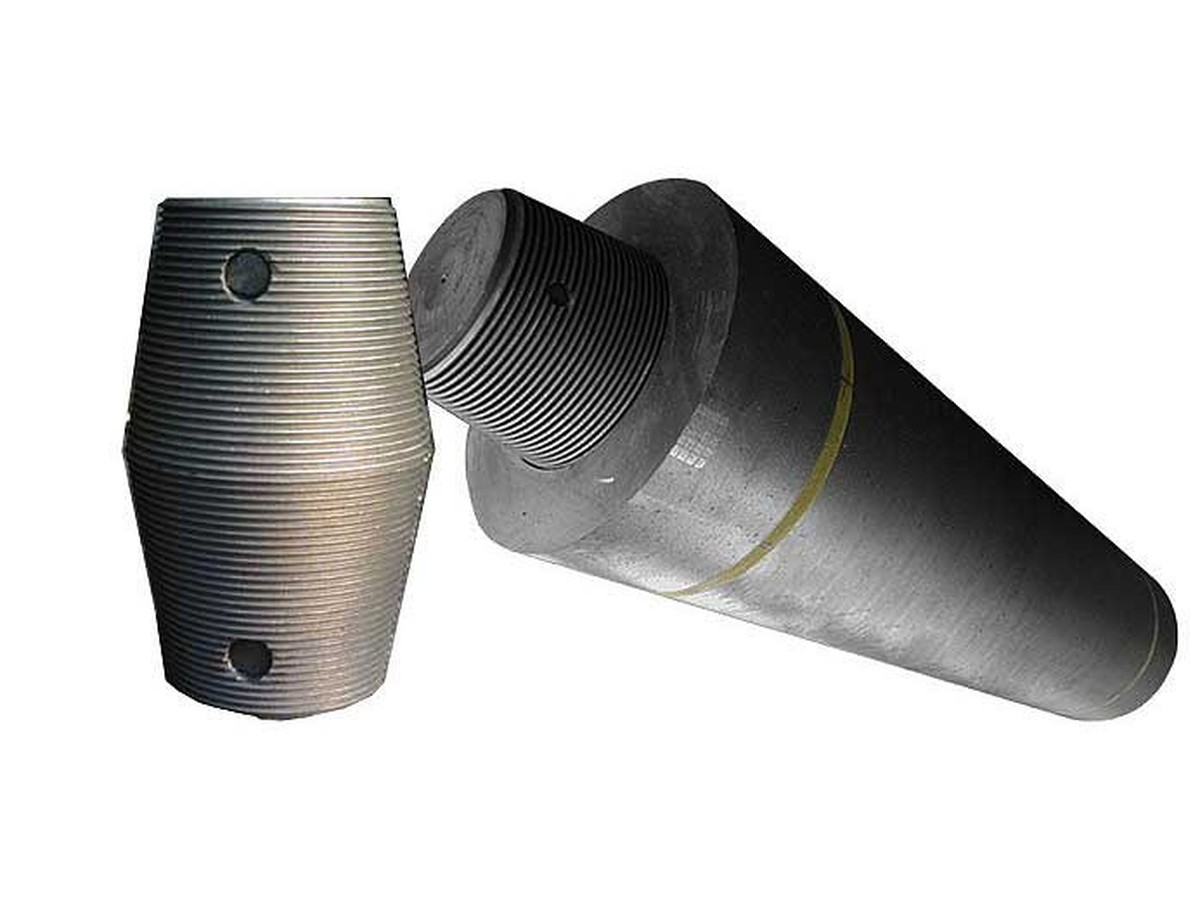
Machined electrodes with matched nipples for electric arc and ladle furnaces, supplied in RP, HP and UHP grades up to Ø700 mm.
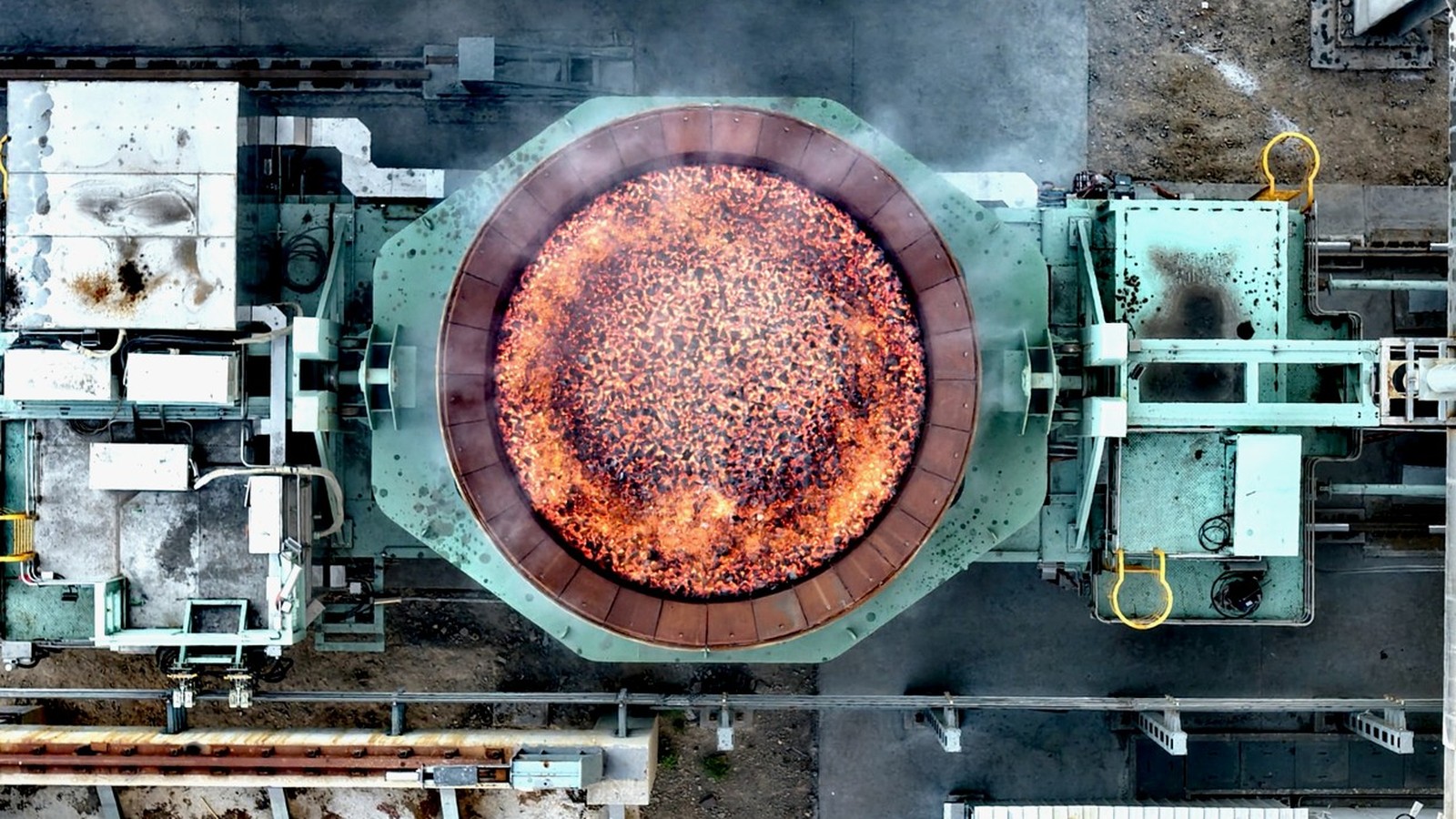
Quality is decided at the kiln
Real density, volatile matter and sulphur are set by the kiln, not by the sales office. Feedstock is bought direct from producers we can audit; sizing and assay happen at our own facility, and the result is reported before the container is sealed.
Applications
Different furnaces punish different properties. Tell us the process and we will point you to the grade that survives it.
Graphite electrodes and recarburising coke for EAF and ladle furnaces, sized to the furnace and the charge.
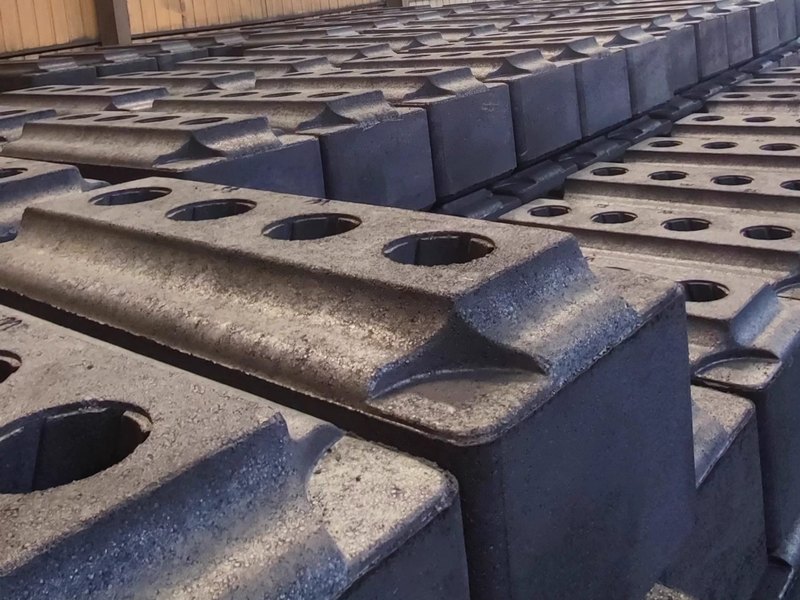
Anode-grade calcined coke with controlled sulphur and real density for prebaked anode production.
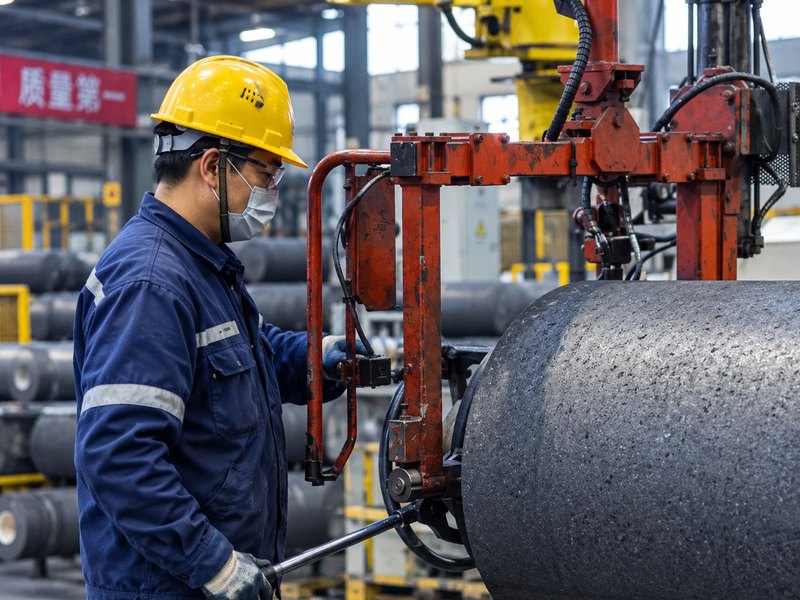
Graphitised and calcined coke feedstock for electrode bodies, nipples and impregnation grades.
Recarburisers with consistent dissolution behaviour for ductile and grey iron melting.
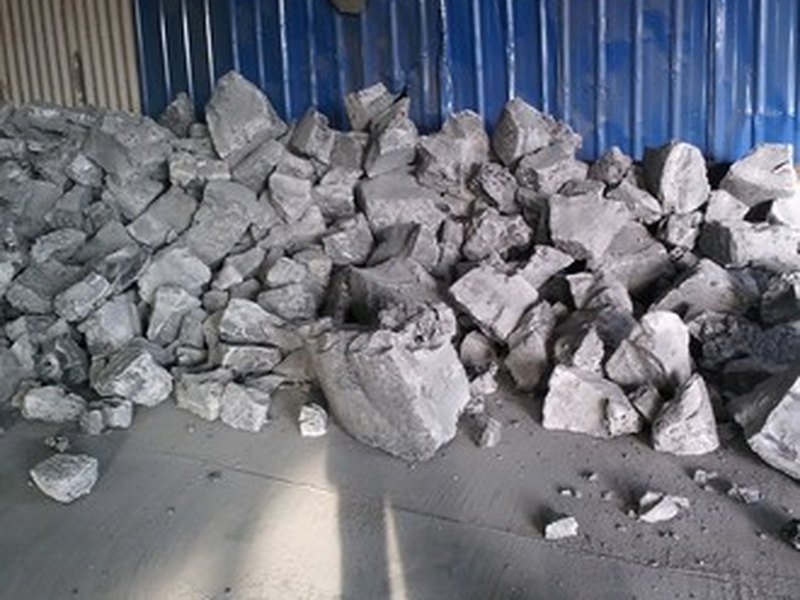
Reductant coke with stable fixed carbon and low ash for submerged arc furnaces.
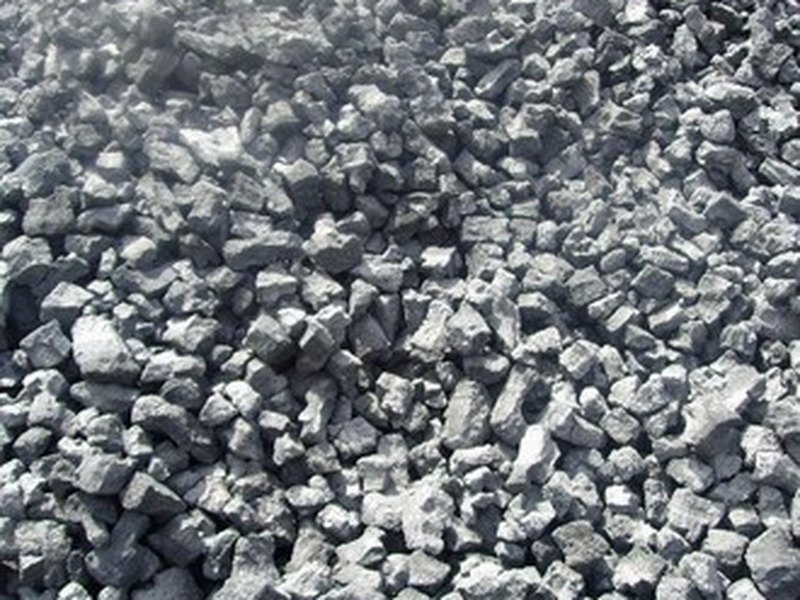
Low-sulphur, low-ash graphitised coke for further milling and purification.
Questions
Straight answers to the questions that decide whether a shipment works. If yours is not here, ask and we will answer in writing.
Both are made from the same raw petroleum coke, but they are treated to different ends. Calcined petroleum coke (CPC) is heated in a rotary kiln to drive off volatile matter; it is the standard feedstock for aluminium anodes, electrode production and recarburisation. Graphite petroleum coke (GPC) is taken a step further into the temperature range so that it becomes more graphitic, giving a higher fixed-carbon figure and lower ash — the grade used for electrode bodies and battery-grade carbon.
It follows the furnace and the operating practice: RP for routine steelmaking, HP for longer campaigns and higher current density, and UHP for the most demanding electric arc furnace duty. We supply Ø150–700 mm with matched nipples, and we would rather quote against your furnace parameters than against a product name — send the diameter, current and service conditions and we will recommend the grade.
A written specification agreed before the order is confirmed: fixed carbon, sulphur, ash, volatile matter, real density, size distribution and packing. The figures on this site are typical values for standard export grades. Tighter limits, alternative sizes and customer-specific specifications are quoted on request and confirmed per contract.
Mainly FOB Tianjin and FOB Qingdao, with CIF available to nominated ports worldwide. We also quote on a delivered basis to most major destinations. Tell us the destination port and the terms you need, and we will price the shipment on that basis.
A certificate of origin, the packing list and the assay or test report for the lot. Third-party inspection before loading is available on request. Deviations against the agreed specification are reported before the container is sealed, not after it has arrived.
Yes. Samples can be dispatched alongside the quotation so you can run your own assay or furnace trial before committing to a volume. We would recommend this for any new grade or a first-time specification.
Yes — you are welcome, before the first order and between lots. The crushing, screening and sizing lines, the sampling and the assay are all open to inspection, on site or by live video. Tell us what you need to see and we will arrange it.
We specify it. Every stage runs to a written specification — fixed carbon, sulphur, ash, size distribution and packing — and every lot is assayed before it is released. Producers who cannot hold the specification are not used.
Supply process
Five steps, each with a document attached. You always know what stage the order is at.
Your grade, size and application, in your own words.
Written spec and price, sample dispatch on request.
Calcining, graphitising and machining upstream; sizing and release at our own facility.
Assay report, third-party inspection where required.
Packing, loading, CO and documents within 24 h of sailing.
Company
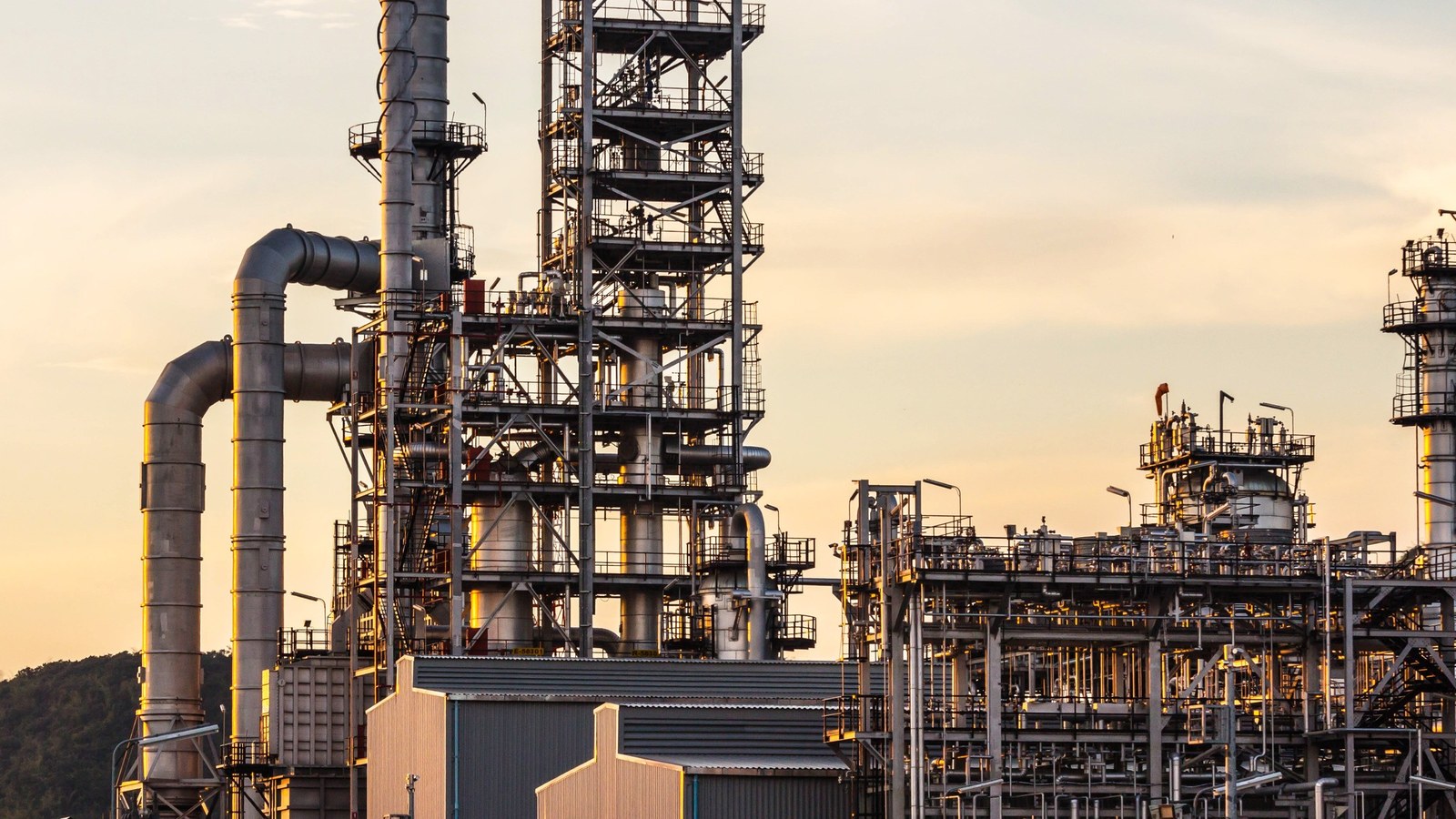
Carbon production at Lunxing Tech runs to a written specification. Feedstock is selected at source; calcining, graphitising and machining are run by producers we audit to that spec; crushing, screening, sizing, sampling and release happen at our own facility. Our job is narrow and specific: match a furnace to a grade, then make sure what arrives is what was quoted.
You are welcome to audit the facility — the sizing lines, the sampling and the assay — before the first order and between lots. If a different source is genuinely the better answer for your grade, we will tell you that too.
How we work
Most rejections happen for the same three reasons. Each one is settled before loading, not argued about after the container arrives.
Before a price is meaningful, the specification has to be written down: fixed carbon, sulphur, ash, real density, size and packing. Every quotation we send carries those numbers, so there is nothing to interpret later.
Samples are taken and tested before the container is sealed. If a figure falls outside what was agreed, you are told before the cargo sails — which is the only point at which changing anything is still possible.
Certificate of origin, packing list and test report are issued with the shipment. Third-party inspection by SGS, BV or an equivalent agency is arranged on request.
Request a quote
Tell us the grade, the size and the application. We reply with a written specification and a price — usually within one working day.